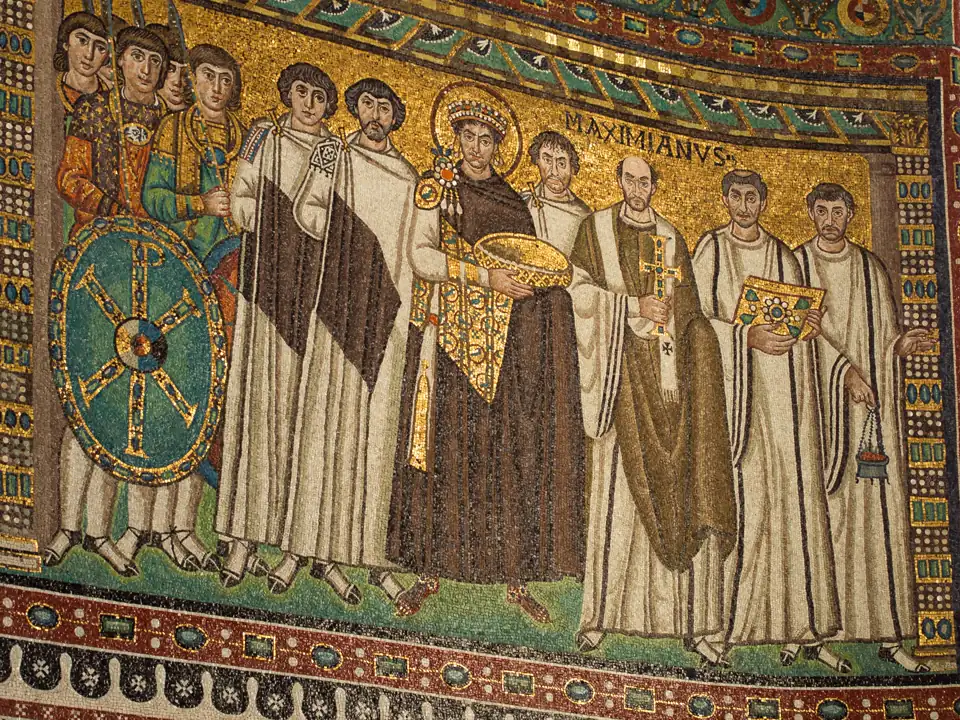
Constantinople in the Sixth Century
In the sixth century, Constantinople was the capital of the Eastern Roman Empire. With its imperial palace, centers of trade, and crowded neighborhoods, it was one of the most important cities in the Mediterranean world. Strong walls and monumental buildings alone were not enough to sustain such a city. It also needed a reliable source of water. The springs in the immediate vicinity of Constantinople were limited. To solve this problem, the Romans spent centuries building channels and aqueducts that carried water from outside the city. But bringing water into the city was not enough on its own. The supply could dwindle, especially in the summer months. The sixth-century historian Procopius describes this problem plainly. According to him, Emperor Justinian I arranged for the water that arrived in abundance during the other seasons to be stored for use in the summer. The Yerebatan Cistern was built in the sixth century, during the reign of Justinian. It was intended to meet the water needs of the nearby Great Palace and the surrounding buildings. The age of Justinian was a period of extensive construction in Constantinople. Hagia Sophia, rebuilt after the Nika Revolt of 532, is one of the best-known works of this era. The Yerebatan Cistern is also among the great infrastructure projects of the same age. So why is it called the "Basilica Cistern" in English? The cistern was built beneath a public space known as the Stoa Basilica. In the Roman world, "basilica" did not refer only to a religious building; the term was also used for large public buildings where legal and commercial business was conducted. The structure takes its name from this earlier site. In this way, a reservoir built to meet the daily needs of an imperial capital still keeps alive the names and history of the ancient city today.
 NextThe Engineering of a Water Reservoirchevron_right